Liver Failure Symptoms & Causes: Why Early Treatment Matters
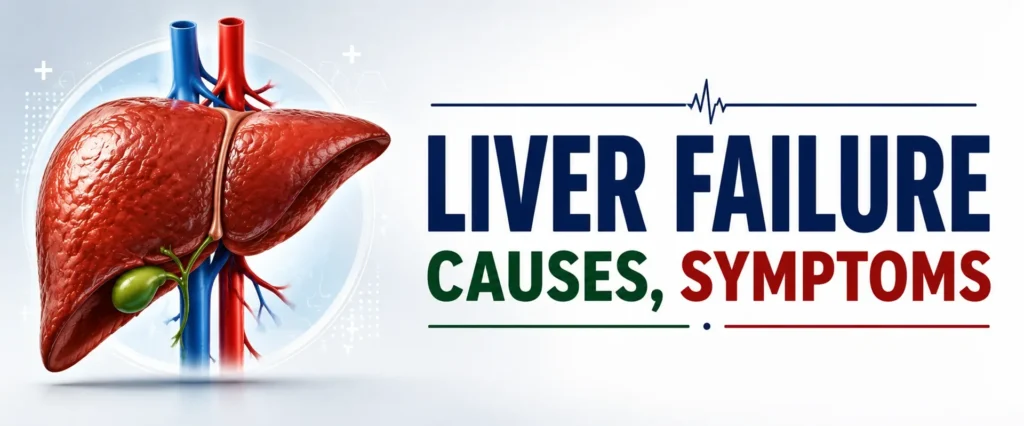
The liver is one of the most essential organs in the human body, responsible for filtering toxins, supporting digestion, storing nutrients, and regulating many important body functions. When the liver becomes severely damaged and can no longer perform these functions properly, the condition is known as liver failure. It is a serious medical condition that requires immediate medical attention and proper treatment.
Liver failure can develop suddenly or gradually over time, depending on the underlying cause. In some people, it may occur due to long-term liver disease, while in others it can happen rapidly because of infection, medication overdose, or severe liver injury. Without timely diagnosis and treatment, liver failure can become life-threatening and affect multiple organs in the body.
What Is Liver Failure?
Liver failure occurs when large portions of the liver become damaged beyond repair, making the liver unable to function normally. The condition is generally classified into two types:
- Acute Liver Failure: Develops suddenly within days or weeks, often due to infections, drug toxicity, or poisoning.
- Chronic Liver Failure: Occurs gradually over months or years, commonly caused by cirrhosis, hepatitis, fatty liver disease, or long-term alcohol-related liver damage.
As liver function declines, the body begins to struggle with removing toxins, digesting food, and maintaining normal metabolic processes.
Common Symptoms of Liver Failure
The symptoms of liver failure may vary depending on the severity of the condition. Early signs are often mild and can sometimes be ignored, but as liver damage progresses, symptoms become more serious.
Yellowing of the Skin and Eyes
Jaundice is one of the most noticeable signs of liver dysfunction and occurs when bilirubin builds up in the bloodstream.
Severe Fatigue and Weakness
Patients often experience extreme tiredness, low energy levels, and difficulty performing routine daily activities.
Swelling in the Abdomen and Legs
Fluid retention may cause abdominal swelling (ascites) and swelling in the feet or ankles.
Nausea and Loss of Appetite
Digestive problems, vomiting, and a reduced desire to eat are common symptoms associated with liver failure.
What Causes Liver Failure?
Several medical conditions and lifestyle factors can contribute to liver failure, including:
- Hepatitis B and Hepatitis C infections
- Cirrhosis
- Fatty liver disease
- Excessive alcohol consumption
- Drug or medication overdose
- Autoimmune liver diseases
- Genetic liver disorders
- Severe infections or toxins
Long-term liver inflammation and untreated liver diseases increase the risk of developing liver failure over time.
Can Liver Failure Be Prevented?
Many causes of liver failure can be prevented through healthy lifestyle choices and regular medical care. Maintaining a balanced diet, limiting alcohol consumption, controlling diabetes and obesity, and getting vaccinated against hepatitis can help protect liver health.
Regular liver check-ups are especially important for individuals with chronic liver disease or a family history of liver-related conditions.
When Should You Seek Medical Help?
Immediate medical attention is necessary if symptoms such as jaundice, abdominal swelling, confusion, severe fatigue, or unusual bleeding develop. Delaying treatment may increase the risk of complications and reduce the chances of recovery.
Final Thoughts
Liver failure is a serious condition, but early diagnosis and proper medical care can significantly improve treatment outcomes. Understanding the warning signs, managing existing liver conditions, and adopting healthy lifestyle habits are essential for protecting long-term liver health.
Timely consultation with a liver specialist can help patients receive the right treatment and improve their quality of life before the condition becomes severe.