Fatty Liver Disease: Causes, Symptoms, and How to Protect Your Liver Health
Modern lifestyles, unhealthy eating habits, stress, and lack of physical activity have made fatty liver disease increasingly common among both young adults and older individuals. Although many people ignore it in the beginning because the symptoms are mild, fatty liver disease can gradually affect liver function and lead to serious health complications if not treated on time.
The liver is responsible for filtering toxins, processing nutrients, supporting digestion, and maintaining overall balance in the body. When excess fat starts accumulating in the liver cells, the liver becomes inflamed and less efficient in performing these essential functions. Over time, this condition may progress to liver fibrosis, cirrhosis, or even liver failure in severe cases.
Understanding Fatty Liver Disease
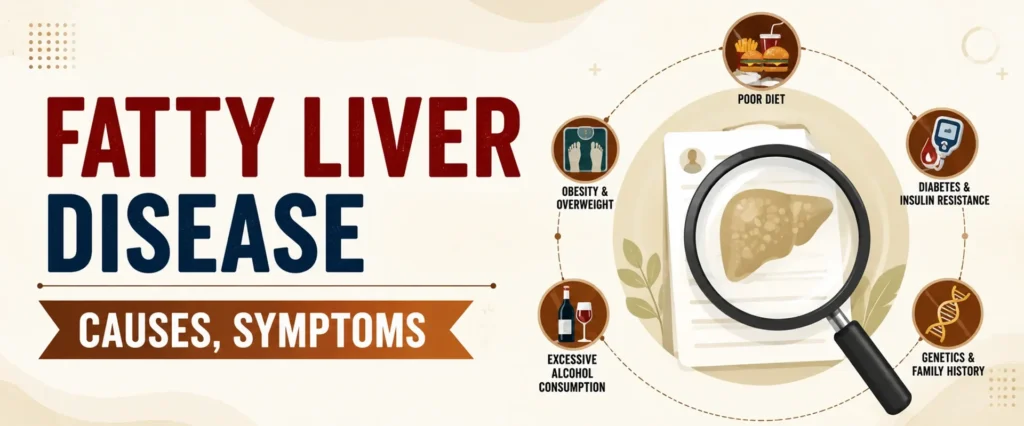
Fatty liver disease occurs when too much fat builds up in the liver. It is commonly associated with obesity, diabetes, high cholesterol, hormonal imbalance, poor eating habits, and excessive alcohol consumption. However, even people who do not consume alcohol can develop fatty liver due to unhealthy lifestyle patterns and metabolic disorders.
There are two major types of fatty liver:
- Non-Alcoholic Fatty Liver Disease (NAFLD) – Commonly linked to obesity, diabetes, and sedentary lifestyle habits.
- Alcoholic Fatty Liver Disease – Caused by long-term or excessive alcohol intake.
In many cases, people may not realise they have fatty liver until it is detected during routine blood tests or ultrasound scans.
Symptoms That Should Not Be Ignored
Fatty liver disease often develops slowly and may not show noticeable symptoms in the early stages. However, as the condition progresses, some common signs may appear.
Persistent Tiredness
Feeling exhausted even after proper rest may indicate that the liver is under stress and not functioning efficiently.
Discomfort in the Upper Abdomen
A dull pain or heaviness on the right side of the abdomen can occur due to liver enlargement or inflammation.
Sudden Weight Changes
Unexplained weight gain or difficulty managing body weight may be linked to fatty liver and metabolic imbalance.
Why Early Diagnosis Matters
One of the biggest concerns with this disease is that people often ignore the condition because the symptoms appear mild. Without proper care, the liver may gradually become scarred, reducing its ability to function normally.
Early diagnosis allows doctors to monitor liver health and recommend treatment before permanent damage occurs. Tests such as liver function tests, ultrasound, FibroScan, and blood investigations help determine the severity of the condition.
Can Fatty Liver Be Reversed?
The encouraging part is that fatty liver can often be reversed during the early stages with proper lifestyle modifications and medical guidance. Simple daily changes can make a significant difference in improving liver health.
Doctors usually recommend:
- Regular exercise and physical activity
- Healthy and balanced eating habits
- Weight management
- Avoiding alcohol and smoking
- Controlling blood sugar and cholesterol levels
- Regular follow-up and liver monitoring
Patients who follow medical advice consistently often notice improvement in liver function and overall health.
Foods That Support Liver Health
A liver-friendly diet plays an important role in recovery. Fresh fruits, green vegetables, whole grains, nuts, and adequate hydration help support liver function. Reducing processed foods, sugary drinks, fried foods, and excess oil intake can also reduce stress on the liver.
Final Thoughts
Fatty liver is becoming increasingly common, but early awareness and healthy lifestyle choices can help prevent long-term complications. Ignoring symptoms such as fatigue, abdominal discomfort, or digestive problems may allow the condition to worsen over time.
Regular health check-ups, proper nutrition, physical activity, and timely medical care are essential for maintaining a healthy liver. Taking small steps today can help protect your liver and improve your overall quality of life in the years ahead.