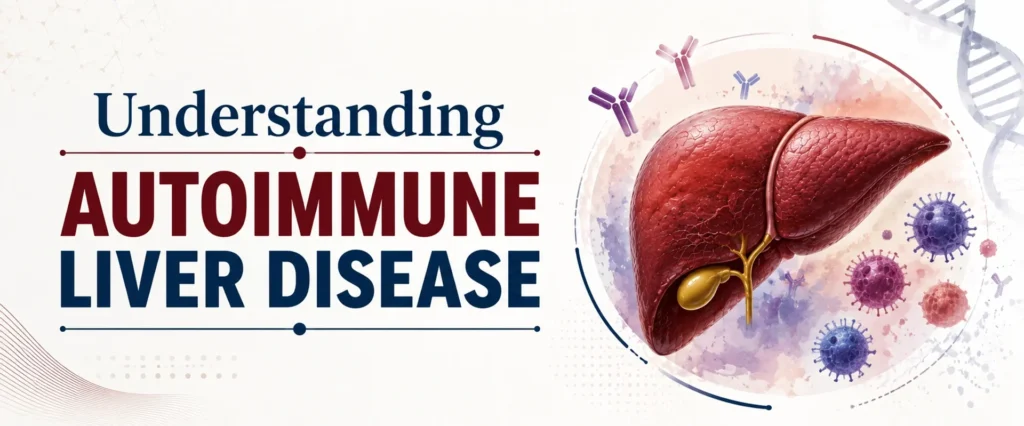
Understanding Autoimmune Liver Disease: Symptoms, Causes, and Treatment
The liver plays a vital role in maintaining overall health by filtering toxins, supporting digestion, storing nutrients, and helping the body fight infections. However, certain conditions can affect the liver’s normal function, including autoimmune liver disease. This condition occurs when the body’s immune system mistakenly attacks healthy liver cells, leading to inflammation and gradual liver damage over time.
Autoimmune liver disease is less common compared to other liver conditions, but if left untreated, it can lead to serious complications such as liver scarring, cirrhosis, or liver failure. The condition can affect people of all ages and is more commonly seen in women. Early diagnosis and timely treatment are important for protecting liver function and improving long-term health outcomes.
What Is Autoimmune Liver Disease?
Autoimmune liver disease develops when the immune system fails to recognise healthy liver tissue and begins attacking it as if it were harmful. This ongoing inflammation damages the liver cells and affects the liver’s ability to function properly.
The most common forms of autoimmune liver disease include:
- Autoimmune Hepatitis (AIH)
- Primary Biliary Cholangitis (PBC)
- Primary Sclerosing Cholangitis (PSC)
Each condition affects the liver differently, but all require proper medical evaluation and long-term management.
Common Symptoms of Autoimmune Liver Disease
Many people may not notice symptoms during the early stages of the disease. In some cases, the condition is detected during routine blood tests. As liver inflammation increases, several symptoms may begin to appear.
Constant Fatigue
Extreme tiredness and lack of energy are among the most common symptoms experienced by patients with autoimmune liver disease.
Joint and Muscle Pain
Some individuals may develop body aches, joint discomfort, or muscle weakness due to immune system activity.
Yellowing of the Skin and Eyes
Jaundice occurs when the liver cannot process bilirubin properly, causing yellow discoloration of the skin and eyes.
How Is It Diagnosed?
Diagnosing liver disease usually involves a combination of:
- Blood tests
- Liver function tests
- Autoimmune antibody tests
- Ultrasound or imaging scans
- Liver biopsy in certain cases
Early diagnosis helps doctors begin liver disease treatment before severe liver damage develops.
Treatment Options
Although autoimmune liver disease may not always be completely curable, proper treatment can help control inflammation, reduce symptoms, and prevent complications. Treatment plans are personalised based on the severity of the condition and the patient’s overall health.
Common treatment approaches may include:
- Immunosuppressive medications
- Steroid therapy
- Lifestyle and dietary modifications
- Regular monitoring of liver function
- Management of associated autoimmune conditions
In advanced cases where severe liver damage occurs, liver transplantation may be considered.
Living with Autoimmune Liver Disease
Managing liver disease requires long-term care and regular medical follow-up. Patients are often advised to maintain a healthy lifestyle, avoid alcohol, follow a balanced diet, and take medications consistently as prescribed.
Emotional well-being is also important, as living with a chronic condition can sometimes cause stress or anxiety. With proper treatment and continuous monitoring, many individuals are able to manage the disease effectively and maintain a good quality of life.
Final Thoughts
This type of condition should never be ignored, especially when symptoms such as fatigue, jaundice, abdominal discomfort, or unexplained digestive issues continue for a long time. Early medical attention and proper treatment can help slow disease progression and protect liver health.