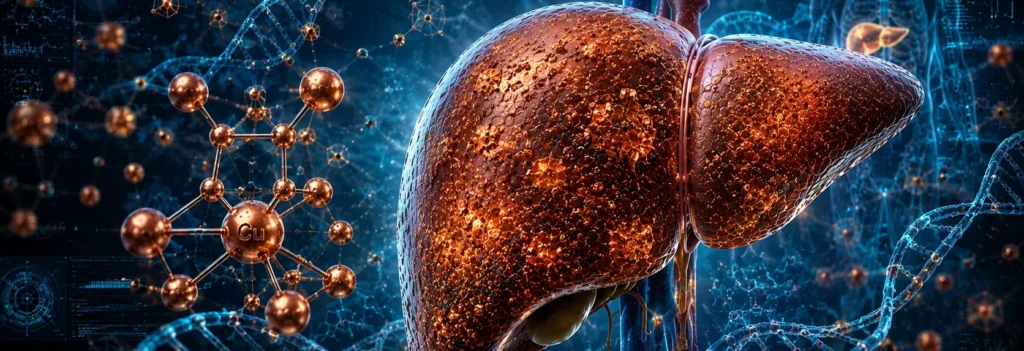
Cirrhosis means the liver has been so extensively scarred that its normal structure is disrupted. Healthy liver tissue is replaced by fibrous scar tissue, which the liver cannot function through properly. It’s a late-stage outcome – not a disease by itself, but the end result of long-term liver damage from various causes.
What Causes Cirrhosis?
- Chronic Hepatitis B or C – years of viral infection slowly destroying liver cells
- Alcohol-related liver disease – excessive, sustained alcohol use over many years
- NAFLD/NASH – fatty liver that progresses to inflammation and fibrosis
- Autoimmune hepatitis – the immune system attacks the liver
- PBC and PSC – bile duct diseases that cause progressive liver damage
- Wilson’s disease or Hemochromatosis – inherited metabolic disorders
In many patients, more than one cause is present simultaneously.
Symptoms to Watch For
Early cirrhosis is often silent. As it progresses: fatigue and weakness, loss of appetite, abdominal swelling (ascites), yellowing of skin and eyes (jaundice), swollen ankles and legs, easy bruising or bleeding, confusion or altered sleep patterns (hepatic encephalopathy), and vomiting blood or black tarry stools from bleeding varices – which needs emergency care.
Two Stages That Matter Clinically
Compensated cirrhosis: The liver is scarred but still managing. Symptoms are mild or absent. This stage can last years if managed well.
Decompensated cirrhosis: The liver can no longer compensate. Complications like ascites, variceal bleeding, or encephalopathy appear. This is a medical emergency.
Diagnosis
- Blood tests – LFTs, CBC, coagulation profile, serum albumin
- Ultrasound with Doppler – assesses liver texture, size, and portal vein flow
- FibroScan or MR elastography – non-invasive fibrosis assessment
- Upper GI endoscopy – to check for esophageal varices
- Liver biopsy – sometimes needed to confirm diagnosis and identify cause
Management
- Treat the underlying cause – antivirals for hepatitis B/C, abstinence for alcohol-related cirrhosis
- Manage complications – diuretics for ascites, lactulose for encephalopathy, band ligation for varices
- Nutritional support – cirrhotic patients often have protein-calorie malnutrition
- Regular surveillance – 6-monthly ultrasound and AFP for liver cancer screening
- Liver transplantation – for decompensated cirrhosis that doesn’t respond to treatment