Liver failure means the liver has lost so much of its functional capacity that it can no longer sustain the body’s basic needs. It’s one of the most serious conditions in medicine, and the speed of diagnosis and management directly affects outcomes.
Two Very Different Presentations
Acute Liver Failure (ALF) is the sudden, rapid loss of liver function in a person with no prior liver disease. It develops over days to weeks. Acute-on-Chronic Liver Failure (ACLF) is what happens when someone with chronic liver disease experiences a sudden deterioration triggered by a new insult – infection, bleeding, alcohol, or a superimposed viral infection. Both are life-threatening, but they have different causes, management approaches, and prognoses.
Common Causes
Acute Liver Failure: Paracetamol (acetaminophen) overdose; anti-tuberculosis drugs (Rifampicin + Isoniazid + Pyrazinamide) – a significant cause in India; acute viral hepatitis (A, B, or E); autoimmune hepatitis; Budd-Chiari syndrome; Wilson’s disease; and herbal and traditional medicine toxicity.
Acute-on-Chronic Liver Failure: Bacterial infections (spontaneous bacterial peritonitis, pneumonia), gastrointestinal bleeding, alcohol relapse, superimposed viral hepatitis, and acute kidney injury.
Warning Signs – Don’t Wait
- Rapid onset of jaundice (yellow skin or eyes)
- Confusion, disorientation, or extreme drowsiness (hepatic encephalopathy)
- Abnormal bleeding – from gums, nose, IV sites, or internally
- Swelling of the abdomen
- Extreme fatigue and weakness
Any of these require urgent hospital evaluation. This is not something to wait out at home.
Diagnosis
- Prothrombin time (INR) – INR >1.5 without cirrhosis suggests significant liver failure
- Serum bilirubin, LFTs, serum ammonia – for assessing encephalopathy severity
- Blood glucose – hypoglycaemia is common
- Viral serology – to identify the cause
- Ultrasound with Doppler, CT scan – for structural or vascular causes
Management
Acute liver failure requires ICU-level care at a centre with liver transplant capability whenever possible.
- Treating the underlying cause – N-acetylcysteine for paracetamol; antivirals for Hepatitis B; immunosuppression for autoimmune hepatitis
- Correcting hypoglycaemia and coagulopathy
- Managing cerebral oedema – a major cause of death in ALF
- Treating infections aggressively
- Lactulose and rifaximin for encephalopathy
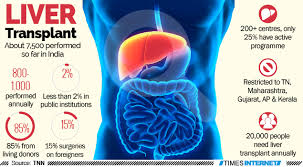
Liver transplantation is the only definitive treatment when the liver cannot recover. The King’s College Criteria and MELD score guide listing decisions. Timing is critical.