The liver is the primary organ that metabolizes alcohol. Every drink passes through it. And while the liver is remarkably resilient, sustained heavy drinking eventually overwhelms it. Alcohol-related liver disease (ALD) is one of the leading causes of liver-related deaths globally – and in most cases, it was preventable.
The Spectrum of Alcohol-Related Liver Disease
Alcoholic Fatty Liver (Hepatic Steatosis) Fat accumulates in liver cells after even a few days of heavy drinking. At this stage, the liver is enlarged and tender. This is completely reversible with abstinence.
Alcoholic Hepatitis: Liver inflammation, ranging from mild to severe. Severe alcoholic hepatitis (SAH) is a medical emergency with 28-day mortality of up to 30–50% in the worst cases. Patients present with jaundice, fever, right upper quadrant pain, and often acute kidney injury.
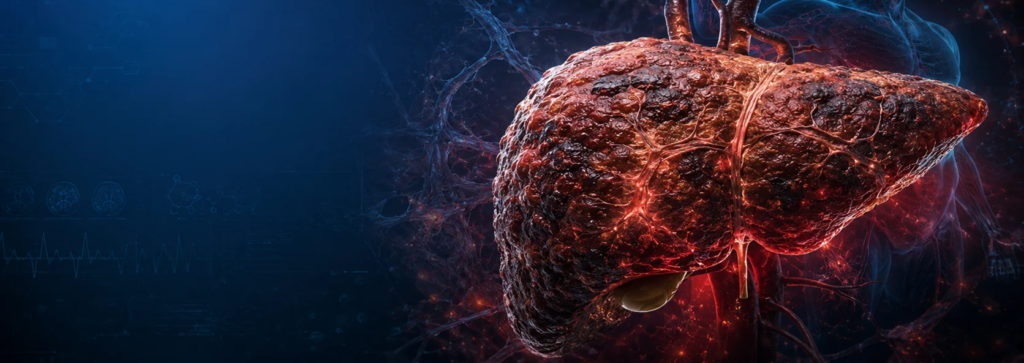
Alcoholic Cirrhosis: Years of damage lead to irreversible scarring. Portal hypertension, ascites, variceal bleeding, and hepatic encephalopathy follow.
How Much Alcohol Is Too Much?
There’s no completely safe level of alcohol for the liver. Risk of significant liver disease increases substantially with more than 21 units/week for men and more than 14 units/week for women (1 unit = 10 ml of pure alcohol – roughly half a pint of beer or a small glass of wine). Genetics, nutrition, and other factors also matter. Some people develop cirrhosis at lower consumption levels, particularly women.
Risk Factors Beyond Volume
- Female sex – women have lower alcohol dehydrogenase activity
- Concurrent Hepatitis B or C infection
- Obesity and metabolic syndrome
- Pattern of drinking – binge drinking is more harmful than the same amount spread evenly
- Drinking without food
Diagnosis
- Blood tests – AST:ALT ratio >2:1 in ALD; elevated GGT; bilirubin; INR; albumin
- Full blood count – elevated MCV suggests chronic alcohol use
- Ultrasound – assesses fatty change, liver size, signs of portal hypertension
- FibroScan – most accurate when done after a period of abstinence
Treatment
Abstinence is the most effective treatment at any stage. Even in cirrhosis, stopping alcohol significantly improves survival.
Alcoholic hepatitis: Severe cases (MDF ≥32 or MELD ≥21) are treated with prednisolone if there are no contraindications. Pentoxifylline is an alternative when steroids are contraindicated. Nutritional support is critical.
Alcohol use disorder: Medical management of withdrawal (benzodiazepines, thiamine), medications to support sobriety (naltrexone, acamprosate, baclofen), and counselling – essential for long-term abstinence.
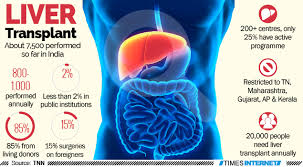
Liver transplantation is considered for patients with end-stage ALD who have demonstrated sustained abstinence (typically at least 6 months) and completed psychosocial evaluation.