Comprehensive Liver Care & Transplant
Liver disease is serious. With the right evaluation and care, most patients have more options than they think.
This page covers how the liver works, what goes wrong in liver disease, when a transplant becomes necessary, and what the journey from first appointment to long-term recovery looks like. For patients and families trying to understand a diagnosis, it is a practical starting point.
The Body's Hardest-Working Organ, and the Only One that Can Grow Itself Back.
The liver runs hundreds of jobs at once: filtering toxins, storing energy, helping digestion and supporting the immune system. It also has an unusual ability to regenerate. That single characteristic is what makes living donor liver transplantation possible, where a healthy person can donate part of their liver and both halves grow back to near-normal size.
Detoxification
Clears alcohol, drugs and metabolic waste from the blood around the clock.
Metabolism & digestion
Produces bile, manages fats, sugars and proteins that fuel the body.
Immune defence
Acts as a first line of defence, filtering bacteria and infections.
Regeneration
Re-grows to near-normal size. This is the biological basis for living donor transplants.
Chronic liver failure builds slowly over years. Acute liver failure can appear within days. In either case, early evaluation gives you more options and usually a calmer path to treatment.
Conditions That May Lead to a Liver Transplant
A transplant is recommended when the liver can no longer keep up with the body's needs. These are the most common reasons patients come to us.
Chronic Liver Diseases
- NAFLD (fatty liver)
- Alcoholic liver disease
- Hepatitis B & C
- Autoimmune hepatitis
- Primary sclerosing cholangitis
- Biliary cirrhosis
Liver Cancers
- Hepatocellular carcinoma (HCC)
- Cholangiocarcinoma
- Neuroendocrine tumours
- Selected metastatic tumours
Acute Liver Failure
- Viral infections
- Drug toxicity (paracetamol)
- Anti-TB drug reactions
- Poisoning
Genetic & Metabolic Disorders
- Wilson's disease
- Haemochromatosis
- Glycogen storage disorders
- Primary hyperoxaluria
Paediatric Conditions
- Biliary atresia
- PFIC
- Metabolic liver disease in children
- Paediatric acute liver failure
Dr Chaubal has performed specialised paediatric procedures, including auxiliary liver transplant for paediatric acute liver failure and monosegment graft transplants for infants.
Diagnostic Tests for Liver Health
Before any decision about treatment, we build a complete picture of your liver using a careful, step-by-step assessment.
Liver Function Tests (LFTs)
Blood tests measuring enzymes, bilirubin and proteins to assess how well the liver is working and to track any change over time.
Ultrasound Abdomen
A painless, non-invasive scan that visualises the liver and nearby organs, detecting fatty liver, cysts, tumours and fluid.
CT Scan / MRI
Advanced imaging that maps the liver's structure in detail. Used to diagnose cirrhosis and tumours, and to plan surgery.
Fibroscan™
A quick, painless test that measures liver stiffness, helping detect fibrosis and cirrhosis at an early, more treatable stage.
Liver Biopsy
A small tissue sample examined under a microscope for a precise diagnosis and an accurate read on disease severity.
Viral Hepatitis Tests
Blood tests for Hepatitis A, B and C that enable early treatment and help prevent long-term liver damage.
Types of Liver Transplantation We Perform
No two patients are the same. Our programme offers the full range of transplant options, choosing the safest route for both recipient and donor.
Living Donor Liver Transplant
Part of a healthy relative's liver is transplanted. Both halves regenerate.
Deceased Donor Liver Transplant
A whole liver from a registered cadaveric donor.
ABO-Incompatible Transplant
Crossing blood-group barriers with special preparation.
Paired Exchange (Swap)
Two families swap compatible donors to help both patients.
Auxiliary Liver Transplant
A donor segment supports the liver while it recovers.
Domino Liver Transplant
A recipient's structurally usable liver helps a second patient.
Split Liver Transplant
One donor liver divided to save two recipients.
Combined Liver & Kidney Transplant
For patients whose liver and kidney both need replacing.
What Happens from First Appointment to Recovery
Most patients and families want to know what to expect before they commit to anything. This is how the process typically unfolds.
Evaluation
- Blood investigations
- Imaging studies
- Heart & lung assessment
- Infection screening
Preparation
- Medical stabilisation
- Donor evaluation
- Counselling for family
Transplant Surgery
- Dedicated transplant ICU
- Expert surgical team
- Continuous monitoring
Recovery
- Regular follow-ups
- Medication management
- Monitoring for rejection
Transplant Infrastructure and Facilities
Dedicated Transplant ICU
Specialised intensive care for pre- and post-transplant patients with round-the-clock monitoring.
Modular Operation Theatres
Advanced surgical suites equipped with the latest technology for precision and safety.
Advanced Imaging
High-end CT, MRI and ultrasound systems for accurate diagnosis and treatment planning.
Infection-Controlled Environment
Strict protocols and sterile infrastructure that minimise infection risk and protect every patient.
A liver Transplant Gives Most Patients a Genuine Second Chance at a Full Life.
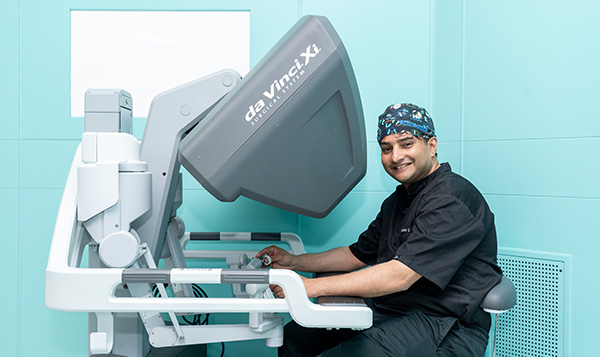
Experience you Can Lean on, at One of the Most Demanding Moments of your Life.
Dr Gaurav Chaubal has more than a decade of dedicated liver transplant experience. He was an integral part of his team's first 250 liver transplants at Global Hospital, Parel, Mumbai, and went on to lead abdominal transplantation and HPB surgery as chief surgeon at Jupiter Hospitals. Patients and families often note that he is calm under pressure, takes time to explain things clearly, and stays involved well into the recovery phase.
His work includes several recognised firsts in Maharashtra. These procedures were not routine at the time; they required specialist training and a willingness to take on cases that had no established local pathway.
More on Dr Chaubal's profile: Max Healthcare · Practo · Transplant Counsellor
Frequently Asked Questions About Liver Transplant
When is a liver transplant actually necessary? +
Is donating part of my liver safe? +
How long does recovery take? +
What happens if I'm not yet a transplant candidate? +
Where can I consult Dr Chaubal? +
Worried About a Liver Diagnosis? Bring your Reports and Questions.
A clear evaluation is usually the most reassuring thing a patient can do. It gives a real picture of where things stand and what is actually needed.