Alcohol-Related Liver
Alcohol-related liver disease develops when excessive and long-term alcohol consumption damages the liver and affects its ability to function properly. The liver is responsible for filtering toxins.
Learn More
Liver Failure
Liver failure is a serious and potentially life-threatening condition that occurs when the liver loses its ability to perform essential functions such as filtering toxins, producing proteins, supporting digestion, and regulating metabolism.
Learn More
Wilson’s Disease
Wilson’s disease is a rare inherited disorder in which excessive copper accumulates in the liver, brain, and other vital organs due to the body’s inability to remove copper properly.
Learn More
Autoimmune Liver
Autoimmune liver disease is a condition in which the body’s immune system mistakenly attacks healthy liver cells, causing ongoing inflammation and damage to the liver.
Learn More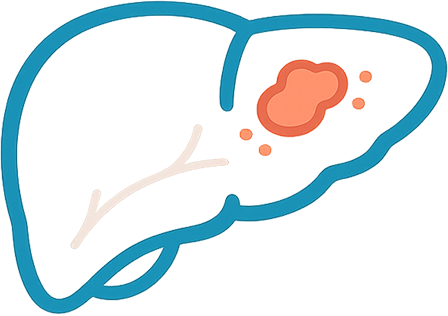
Liver Cancer
Liver cancer is a serious condition that develops when abnormal cells grow uncontrollably within the liver. It can occur as a primary cancer that begins in the liver or as a secondary cancer that spreads from other parts of the body.
Learn More
Hepatitis C
Hepatitis C is a viral liver infection caused by the Hepatitis C virus, which can lead to both short-term and long-term liver damage if left untreated. The infection commonly spreads through contact with infected blood.
Learn More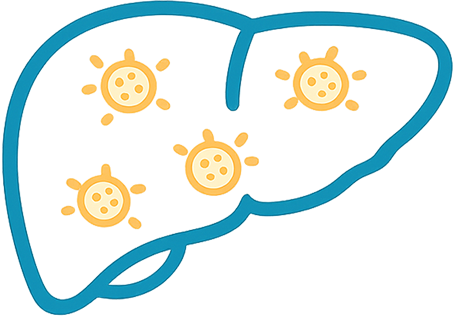
Hepatitis B
Hepatitis B is a viral infection that affects the liver and can lead to both acute and chronic liver disease if not diagnosed and treated at the right time. The infection spreads through contact with infected blood.
Learn More
Cirrhosis
Cirrhosis is a serious liver condition that occurs when healthy liver tissue is gradually replaced by scar tissue, affecting the liver’s ability to function properly.
Learn More
Fatty Liver / NAFLD
Fatty liver disease is one of the most common liver conditions seen today, affecting people of all age groups due to changing lifestyles, unhealthy eating habits, lack of exercise, obesity, diabetes, and increased stress levels.
Learn More